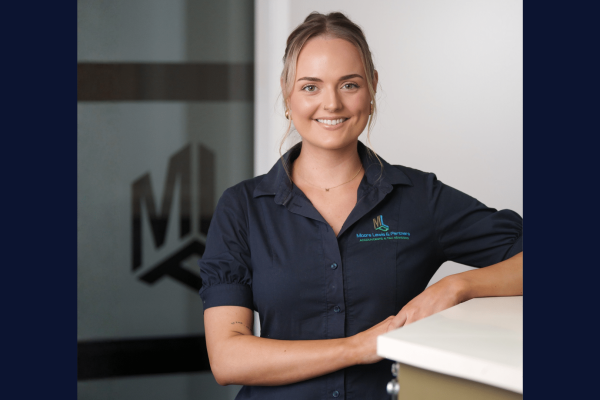
By Wendy Weir, Accountant
If you’re an employer, there’s a major change coming to super, and it’s one that’s going to affect how you run payroll, manage cash flow, and stay compliant.
From 1 July 2026, we’re moving to what’s called Payday Super.
Instead of paying super quarterly, you’ll need to pay it every time you run payroll.
I’ve been talking to a lot of clients about this lately, and the most common reaction is: “That’s a big shift.”
And it is, but with the right preparation, it’s absolutely manageable.
So, what’s actually changing?
From 1 July:
- Super is paid each payday, not quarterly
- It needs to reach your employee’s super fund within 7 business days
- Reporting requirements through payroll will increase
In other words, super becomes part of your regular payroll process, not something you deal with once a quarter.
The part that’s going to catch people out? July 2026, as there’s a bit of a crossover period that’s worth paying attention to.
You’ll still need to finalise your June quarter super under the current system, which is due by 28 July 2026.
At the same time, you’ll also need to start paying super under the new Payday Super rules for any July pay runs.
So in July, you may find yourself paying:
- Your final quarterly super
- Plus super for each payday
This is where I expect a lot of businesses will feel the pressure, especially if it hasn’t been planned for.
What this means in practice
For a lot of businesses, super has been something you calculate and set aside, then deal with at the end of the quarter, however that approach won’t work anymore.
You’ll need to think about:
Cash flow
Super is going out more frequently, potentially weekly or fortnightly, so it needs to be built into your normal cash cycle.
Timing
It’s not enough to send the payment within 7 days*, it needs to be received and allocated by the super fund.
Systems
Your payroll and payment processes need to be accurate, consistent, and quick.
*A quick note on the 7-day rule*
This is one area I’m encouraging clients to take seriously early.
Payments can be delayed due to:
- Processing times
- Incorrect employee details
- Errors with super funds
And under Payday Super, you don’t have weeks to fix it, you have days.
For most businesses, the safest approach will be to pay super on payday, not after.
If you’re using the Small Business Super Clearing House
This is another big one, the Small Business Superannuation Clearing House is closing on 30 June 2026. March 2026 was the last quarter that the Small Business Clearing House accepted payments.
If you’re currently using it, you’ll need to:
● Move to a new provider and use your new provider to lodge your June quarter contributions
● Download your historical records before it shuts down
I’d strongly suggest not leaving this until the last minute, it’s one of those things that’s easy to push back, but important to get right.
Reporting changes are coming too
From 1 July, there are additional reporting requirements through Single Touch Payroll (STP).
You’ll need to report things like:
- Qualifying Earnings (a new earnings measure for super)
- Year-to-date super liability
If your payroll system isn’t set up properly, this could create issues, so it’s worth reviewing sooner rather than later.
What I’m recommending clients do now
If you want this transition to be smooth, a bit of preparation now will go a long way.
I’d suggest:
- Reviewing your cash flow to allow for more frequent payments
- Speaking with your payroll provider about readiness
- Checking employee super details are correct
- Moving away from the SBSCH if you’re using it
- Considering paying super on payday moving forward
Do you need help?
This is one of those changes that might feel like “just another compliance update” but in reality, it’s going to change how many businesses operate day-to-day.
The clients who plan early will adjust quickly, and the ones who leave it until June… will feel it.
We’re already working with a number of businesses across Toowoomba and South East Queensland to prepare for Payday Super.
If you’re unsure how this will impact you, or want to make sure your systems are set up properly, feel free to reach out, we’re here to help.