The Australian Taxation Office (ATO) is more tech-savvy than ever before, and in 2025, their data-matching capabilities have reached new heights. For small business owners, this means one thing: transparency is no longer optional. If you’re earning income through digital platforms, making crypto trades, or claiming deductions that don’t match your bank data, chances are the ATO already knows.
What Is Data Matching?
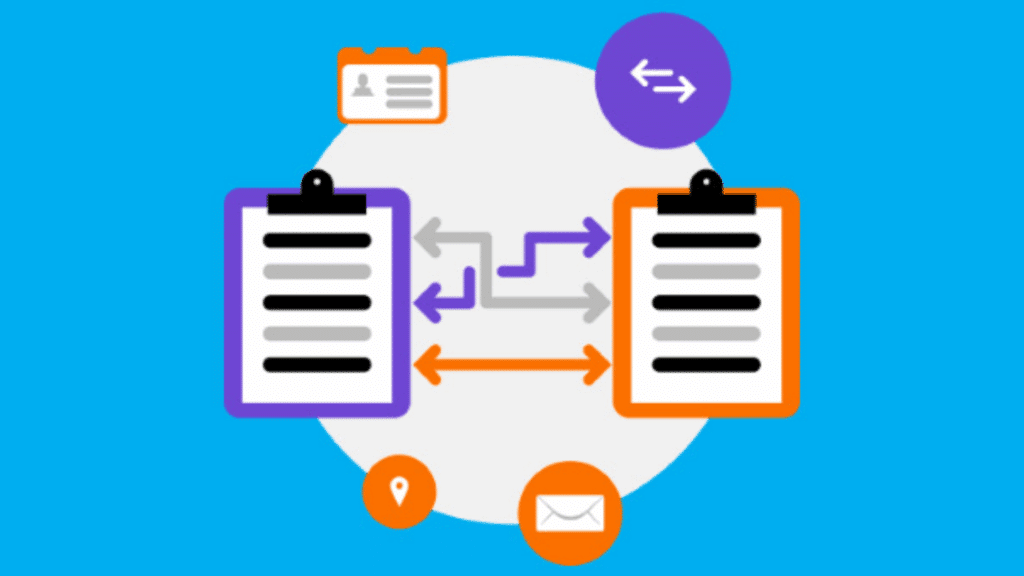
Data matching is when the ATO cross-checks information provided in your tax return with data from third parties such as banks, employers, superannuation funds, government agencies, and even online platforms like Uber, AirBnB, and eBay. This process helps detect discrepancies, unreported income, and incorrect claims.
What’s New in 2025?
In 2025, the ATO expanded its data-matching scope to cover:
- Digital platforms: Ride-share income, short-term rental income (Airbnb, Stayz), and online sales through eCommerce platforms.
- Cryptocurrency transactions: Every trade, swap, or sale is traceable through crypto exchanges.
- Bank interest and dividends: More comprehensive matching of financial institution data.
Common Traps for Small Businesses
- Unreported Side Hustles: If you drive for Uber on the weekends or rent out a room occasionally, that income is taxable.
- Incorrect GST Claims: The ATO is matching vehicle and asset purchases against GST credit claims.
- Crypto Misreporting: Simply converting one crypto to another is a taxable CGT event.
- Cash Transactions: These are being scrutinised more heavily as the ATO tightens its grip on the cash economy.
What Can You Do?
- Keep excellent records: Digital or paper, the more detail, the better.
- Use reputable software: Cloud-based accounting systems help track transactions in real time.
- Disclose everything: If you’re not sure, declare it. It’s better to be safe than to be audited.
- Work with a registered tax agent: A trusted advisor can help you interpret ATO rules and stay compliant.
The ATO isn’t trying to catch you out, but they do expect honesty, accuracy, and good record-keeping. If you’re running a small business or earning income through side gigs, now is the time to tighten your processes. A proactive approach can save you from audits, penalties, and stress down the track.